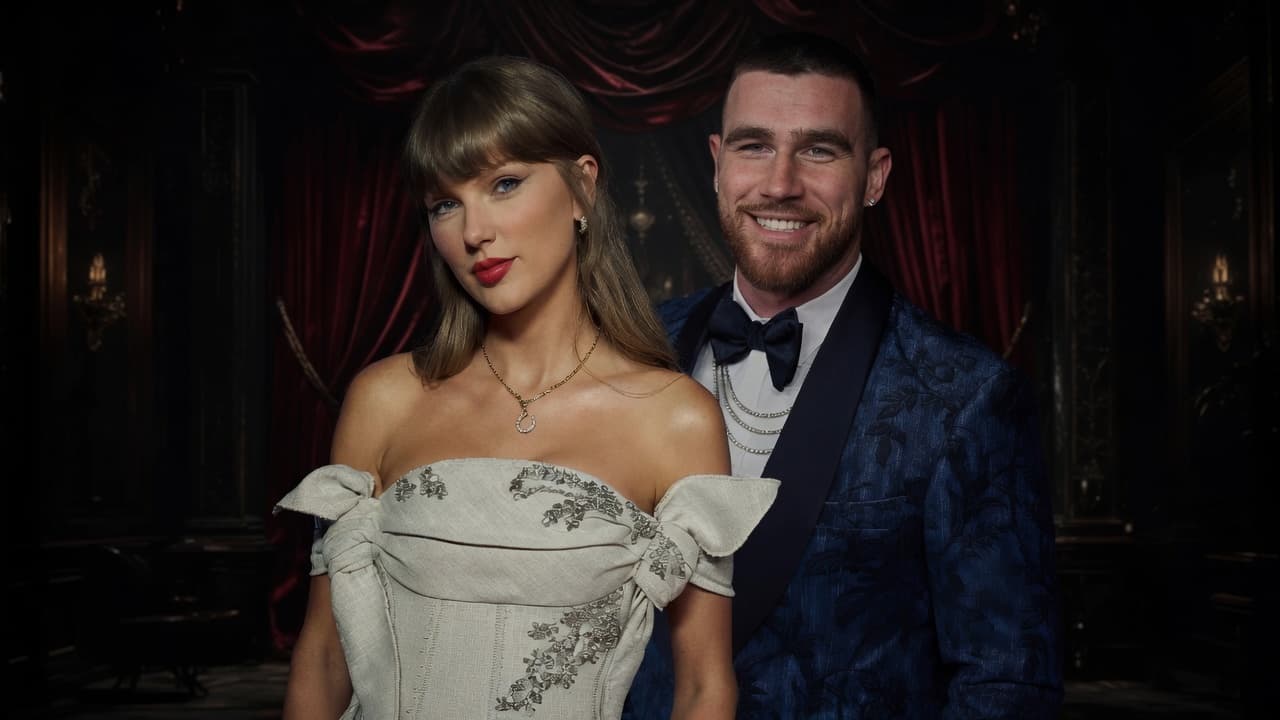
The 'Celebrity Effect': What a Trending Wedding Dress Reveals About the Luxury Goods Market
A single celebrity wedding dress can trend for days. Here's what that search spike actually tells you about the luxury goods sector, and why it's a weaker signal than it looks.
A celebrity wedding dress trending for days is a genuinely interesting cultural moment, and it's also a clean, small-scale example of something investors hear about constantly: the idea that celebrity attention can move markets. It's worth being precise about what that actually means, and what it doesn't.
The "Halo Effect" Is Real, But Narrow
Retail and fashion analysts have long tracked measurable upticks in searches, site traffic, and sometimes sales for a specific brand after a high-profile celebrity is seen wearing or using it. This is a real, studied phenomenon, sometimes called a halo effect. The key word is specific: the bump typically attaches to one brand or even one exact product, not to "the luxury sector" broadly, and it typically fades over days to weeks rather than compounding into a durable trend.
Most Wedding-Dress Designers Aren't Public Companies
This is the detail that trips people up fastest: high-end bridal fashion houses are, disproportionately, privately held or part of closely held fashion groups, not standalone publicly traded companies. That means a specific trending dress frequently has no direct, tradeable "pure-play" attached to it at all. Any investing angle has to zoom out to the broader luxury sector, not the exact designer in the headline.
The Better Lens: Publicly Traded Luxury Conglomerates
The companies actually worth understanding here are the large, diversified luxury groups that own dozens of fashion, jewelry, and beauty brands under one public ticker (names like LVMH and Kering are the best-known examples in this space). Their results depend far more on aggregate global consumer demand, currency effects, and Chinese and US luxury spending trends than on any single celebrity moment. A trending dress might nudge sentiment about "the luxury consumer" for a news cycle; it does not meaningfully move a conglomerate's quarterly earnings.
This is the same discipline behind thinking in sectors rather than single stories: a durable business thesis rests on demand that persists across years, not a search-trend spike that will have cooled by the time you'd act on it.
The Honest Takeaway
A trending celebrity moment is a legitimate lens for understanding how consumer attention translates into brand value, that mechanism is real and well documented. It is a poor basis for a specific trade: the designer is often private, the effect is short-lived, and the publicly traded companies actually exposed to "luxury demand" move on much bigger, slower forces than a single wedding dress. If a trending topic makes you curious about a sector, treat it as a prompt to research the sector, not a signal to act on the headline itself.
Not investment advice. Referenced companies are named for illustrative purposes only and are not recommendations.